Houthi-Israel Escalation and the Iranian Proxy Strategy: A Regional Analysis
1. Chronological Narrative of Regional Escalation
The “war on Iran” has entered a volatile new phase, characterized by a synchronized surge in hostilities stretching from the Levant to the heart of the Persian Gulf. The following timeline tracks the rapid sequence of strikes reported by the BBC:
- Beersheba, Israel: The Houthi movement initiated its first direct missile assault against Israeli territory since the conflict’s inception. While the Israeli military intercepted the projectile, triggering sirens across the southern city, the strike signals the end of Houthi restraint. There were no reports of casualties from this specific engagement.
- Tehran, Iran: In the wake of Israel’s announcement of “fresh attacks,” the Iranian capital was rocked by heavy air strikes overnight. This direct targeting of the Iranian heartland marks a significant intensification of the broader war.
- Zanjan, Iran: Further north, Iranian media reported that a US or Israeli strike decimated a residential building. The kinetic impact resulted in 5 civilians killed.
- Prince Sultan Air Base, Saudi Arabia: An Iranian ballistic missile successfully bypassed defenses to strike this critical facility. The attack left 12 US soldiers injured, with military officials confirming that several service members were seriously hurt.
- Khalifa Port, Abu Dhabi: Intercepted missile debris fell in the vicinity of the port, causing secondary impacts that left 6 people injured.
- Kuwait Airport: A targeted drone strike focused on the airport’s infrastructure, resulting in significant damage to the facility’s essential radar systems.
- Bahrain: As the overnight barrage unfolded, Bahraini authorities issued emergency alerts, ordering residents to “stay in place” to avoid the risks of falling debris and secondary strikes.
To date, the human cost for Western forces has been stark. US Central Command confirms that 13 US service members have been killed in the conflict with Iran, with more than 300 service members wounded.
2. Introduction: The Activation of the Final Proxy
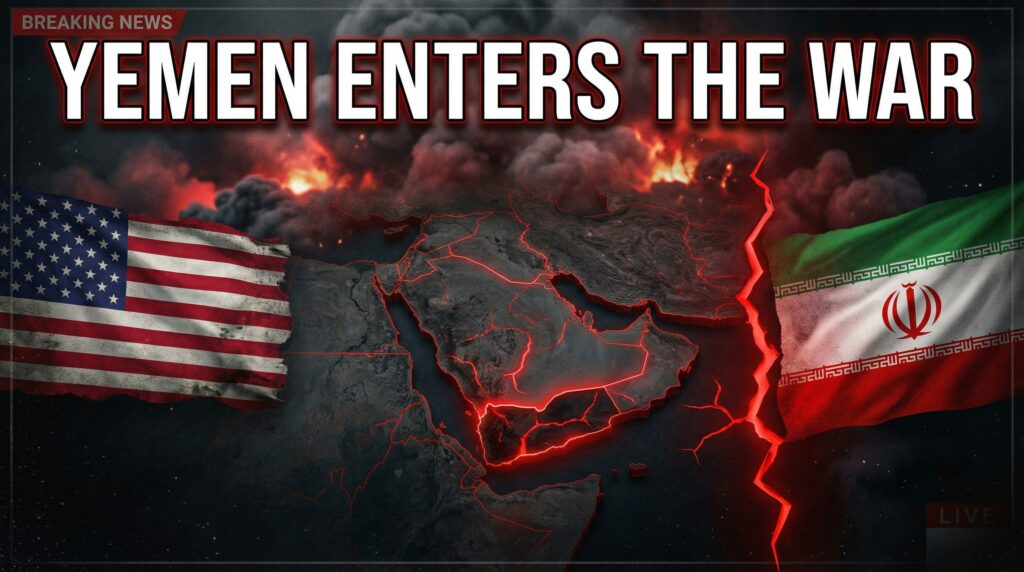
The regional landscape shifted fundamentally this week as the Houthi movement in Yemen launched its first direct missile strike at Israel. This is not merely a tactical maneuver; it is the fulfillment of an explicit Houthi ultimatum. The group had previously vowed to transition from maritime harassment to direct kinetic intervention if the “war on Iran”—conducted by Israel and the United States—continued to strike targets within Iranian borders.
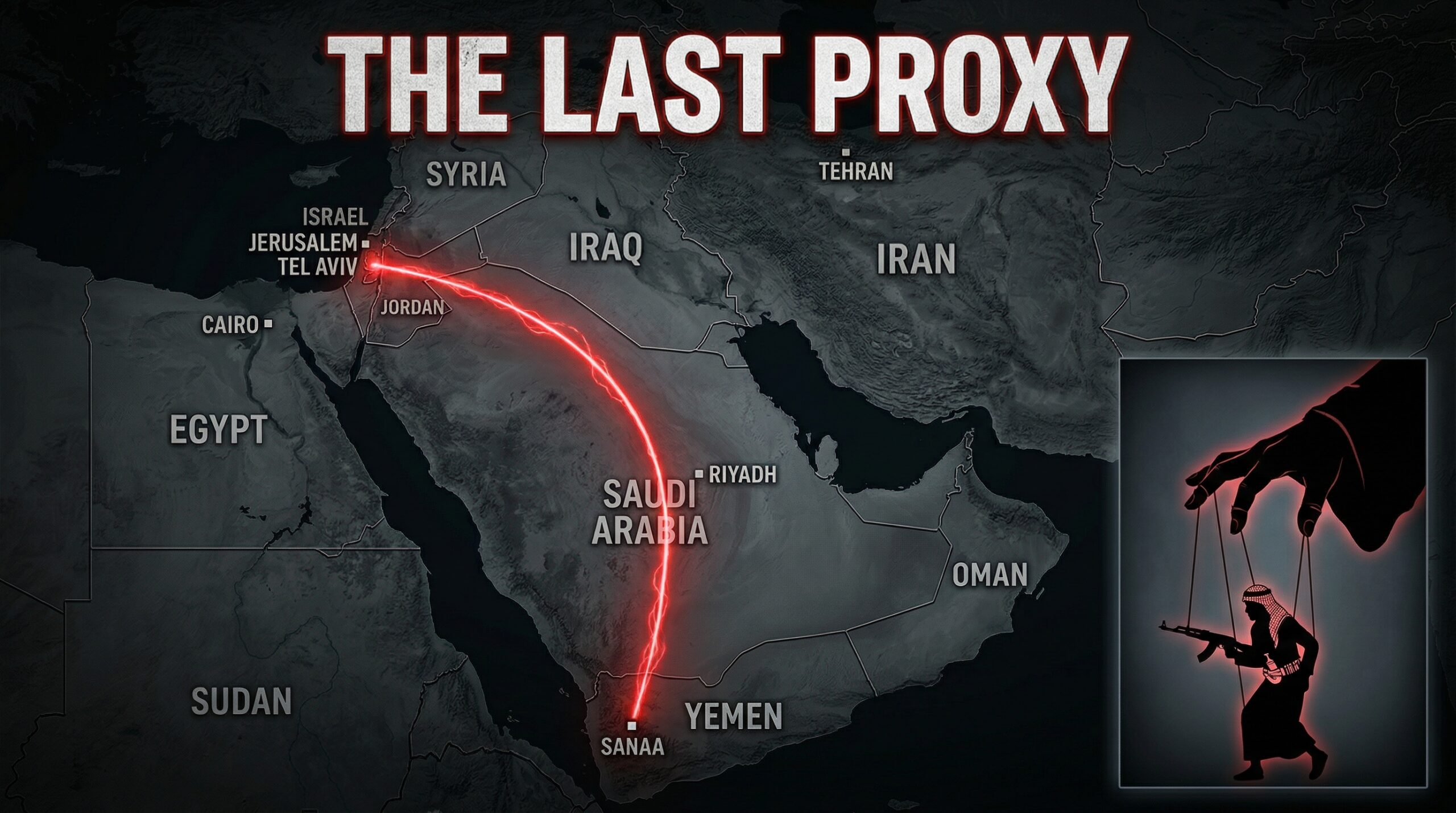
By targeting Beersheba, the Houthis have formally transitioned from a localized insurgent force into a primary actor in the trans-regional campaign. Their entry as an Iranian “proxy force” underscores a coordinated effort by Tehran to stretch Israeli and American defensive resources across a secondary southern front.
3. Strategic Analysis: Iran’s “Pressure Tools”
Professor Lena Katib of Chatham House suggests that the Houthi intervention is a symptom of strategic exhaustion within Tehran. The activation of the Yemen-based group reveals a critical inflection point in the Islamic Revolutionary Guard Corps (IRGC) playbook.
- The “Last Proxy” Strategy: Unlike Hezbollah in Lebanon or the various militias in Iraq—both of which have been operationalized since the early stages of the war—the Houthis were the final significant asset held in reserve. Their activation indicates that Tehran has reached the bottom of its tactical reservoir.
- Diminishing Leverage: According to Katib, the decision to deploy the Houthis suggests Iran is “running out of pressure tools” to deter US and Israeli strikes on its own soil. With direct attacks now hitting Tehran and Zanjan, the IRGC is using its final regional lever to create a distraction.
- Command and Control: The Houthis did not act independently; they were explicitly “waiting for Iran” to provide the signal. This tight coordination confirms that the Houthi “barrage” is a managed escalation intended to provide the IRGC with a negotiating chip, however desperate the move may appear.
4. Regional Impact Summary
The following table provides a categorized data repository of the overnight strikes across the Gulf and their reported outcomes.
| Country/Location | Type of Attack | Outcome/Impact |
| Israel (Beersheba) | Ballistic Missile | Intercepted; no casualties. |
| Iran (Tehran) | Heavy Air Strikes | Multiple sites hit; part of fresh Israeli offensive. |
| Iran (Zanjan) | Air Strike (Residential) | 5 civilians killed; building destroyed. |
| Saudi Arabia (Prince Sultan Air Base) | Ballistic Missile | 12 US soldiers injured; several seriously hurt. |
| Abu Dhabi (Khalifa Port) | Intercepted Missile Debris | 6 people injured near the port facility. |
| Kuwait (Airport) | Drone Attack | Significant damage to radar systems. |
| Bahrain | Regional Escalation | “Stay in place” emergency alerts issued for civilians. |
5. Global Economic and Maritime Risks
The Houthi move toward direct missile warfare against Israel is intrinsically linked to their positioning along the world’s most sensitive maritime arteries. The threat to global energy security is no longer theoretical.
“A fifth of the oil gets moved through the Strait of Hormuz. If that shipping lane or the Red Sea is further compromised, it would worsen an already pretty desperate situation when it comes to global trade.” — BBC Regional Analysis
By demonstrating the capability to launch a “barrage” of missiles, the Houthis have signaled that they can effectively shutter the Red Sea shipping lane and threaten the Strait of Hormuz at will, potentially inducing a global economic shock to force a ceasefire in the war on Iran.
6. The Emerging Diplomatic and Technological Landscape
While the IRGC directs the military campaign, a parallel diplomatic track is emerging. Pakistan is slated to host high-level talks with Turkey, Saudi Arabia, and Egypt. The significance of this quartet lies in their unique access; these nations maintain functional communication channels with the IRGC, the ultimate “decision maker” in the war. These talks represent a pragmatic attempt to establish a negotiation channel where US-led diplomacy has hit a wall.
Simultaneously, a new geopolitical axis is forming through a “technology exchange” between Ukraine and Saudi Arabia, chaperoned by the United States. This arrangement creates a direct link between the European and Middle Eastern theaters:
- Ukrainian Expertise: Having spent years intercepting Iranian-designed drones in its war with Russia, Ukraine has become a primary technology provider. This deal integrates Ukrainian drone-interception technology into Saudi defenses to counter Houthi and Iranian UAVs.
- The Russian Calculation: Despite its partnership with Tehran, Russia has remained conspicuously neutral during these latest escalations. Moscow appears unwilling to antagonize the US further, particularly as Washington integrates Ukraine into the Middle Eastern defense architecture. Analysts expect Russia may eventually seek an “accommodation” on the Ukrainian conflict in exchange for continued non-intervention in the Middle East.
7. Conclusion: Optimism vs. Realism
There is a profound disconnect between the “optimism” emanating from Washington and the “realism” felt on the ground in the Gulf. While US officials suggest the war could conclude in a matter of weeks, the reality in regional hubs like Qatar is far grimmer. In Doha, the attempt to return to “normality” is shattered every morning by reports of fresh strikes in Saudi Arabia, Kuwait, and Abu Dhabi.
The Houthi vow that their “operations will continue until aggression on all fronts ends” suggests that we are not at the end of this conflict, but rather at the beginning of its regionalization. With the “last proxy” now active and US service members being seriously hurt on Saudi soil, the prospect of a wider, multi-front war is no longer a risk—it is the current reality.