The Escalating Humanitarian Crisis in Lebanon: Press and Civilians Under Fire
The conflict in Lebanon has entered a critical phase following the launch of a ground invasion nearly two weeks ago. While the Israel Defense Forces (IDF) have confirmed at least one military fatality, the mounting toll on civilians and professionals—specifically journalists and medical personnel—has drawn sharp condemnation from Lebanese authorities and international observers.
Targeted Strikes on the Press
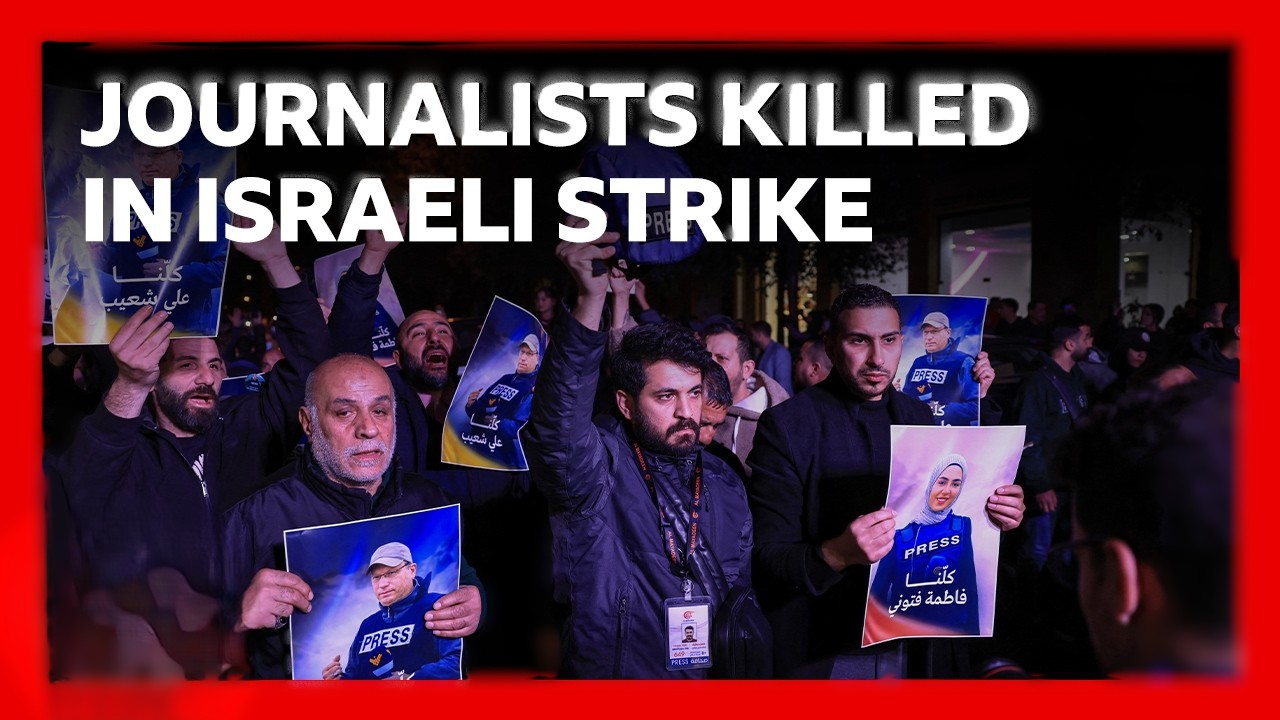
A recent Israeli air strike targeted a press vehicle in southern Lebanon, resulting in the deaths of three Lebanese journalists. The victims included a well-known correspondent for Al-Manar TV and two employees of Al-Mayadin television. Despite Israeli military claims that one correspondent was a Hezbollah member exposing military positions, the IDF has provided no evidence to support this allegation.
Lebanon’s President Joseph Aoun described the strike as a “brazen crime” that violated the most basic tenets of international law. Reports indicate the journalists were on the ground in uniform with clear signage identifying them as “press,” making the attack a significant violation of international norms regarding the protection of media workers. This follows a separate incident the previous week where another presenter and his wife were killed in a strike on their home.
Humanitarian Impact on First Responders
The crisis extends to the medical community, where the danger to first responders has reached unprecedented levels. Recently, seven paramedics were killed in a single day, bringing the total number of paramedics killed throughout the conflict to 50. Similar to their claims regarding journalists, Israeli officials have alleged that ambulances are being used to transport weapons, though they have not provided proof to back up these claims.
No Safe Haven for Civilians
The United Nations has warned that there is no safe place for civilians to seek shelter anywhere in Lebanon, including the capital, Beirut. While hundreds of thousands have fled their homes in the south, the problem is compounded by strikes occurring outside of traditional Hezbollah strongholds. Attacks have hit the center of Beirut in areas where people had previously fled to seek safety.
The situation for those remaining in the south is increasingly dire:
- 150,000 people remain trapped in the south due to the destruction of critical infrastructure.
- The bombing of bridges and roads has effectively cut off connection to the north, rendering many areas uninhabitable.
- There are growing fears among the government and civilians that these tactics are intended to depopulate southern Lebanon to facilitate a new form of occupation.
As the ground invasion continues, the destruction of infrastructure and the targeting of protected professionals have created a landscape of uncertainty and fear for the hundreds of thousands of people losing their homes and villages.