Introduction: Why Reach Is Falling Despite “Good Content”
If your reach is declining despite consistent posting, the problem is not your creativity — it’s your Search Engine Optimization strategy.
In 2026, visibility is no longer controlled by traditional Google-only SEO. Today, Social Media SEO determines whether your content is discovered, indexed, cited by AI, or buried. The platforms themselves — TikTok, Instagram, YouTube, LinkedIn — have become search engines, not just social networks.
This article explains how Social Media SEO works, how it differs from old SEO, and how to rank on Google and YouTube simultaneously using social-first optimization.
Tip:In bottom section I leave a Free Google’s AI tool for you for keyword searching.So read complete article.
1. The Death of Traditional Intent: Why Discovery Replaced Search
Old SEO Model (Pre-2020)
Traditional Search Engine Optimization revolved around:
- Keyword research
- Ranking pages
- Waiting for users to search
Example:
User searches: “best productivity tools”
Google returns blog results.
New SEO Model (2026)
Discovery happens before intent is expressed.
Platforms now predict:
- What frustrates users
- What problem they might soon face
- What content could hold attention
This is called Discovery-Based Marketing, and it is powered by Social Media SEO.
Real Example
A user scrolls TikTok.
They see:
“I stopped using Excel for manual data entry — here’s what I use now.”
They didn’t search.
They didn’t ask.
But the algorithm detected behavioral intent.
By the time they Google the tool later, the decision is already made.
📌 Insight:
Social Media SEO influences Google rankings indirectly by shaping user behavior before search occurs.
2. The Hook Economy: Why Outcomes Rank Better Than Explanations
Why Traditional Content Fails
Most creators still follow:
- Intro
- Background
- Explanation
- Conclusion
Algorithms do not reward patience.
Outcome-First SEO Strategy
In Social Media SEO, you must show the result first.
Examples:
- ❌ “Today I’ll explain my skincare routine”
- ✅ “My skin cleared in 7 days — here’s exactly why”
- ❌ “How I improved YouTube growth”
- ✅ “This video added 10,000 subscribers in 30 days”
Why This Works (SEO Insight)
Platforms measure:
- Watch time in first 3 seconds
- Replays
- Saves
These signals boost search visibility inside the platform, which then boosts external search visibility (Google + AI tools).
3. Platform Prioritization: Where Search Actually Happens
Social Media SEO ≠ Same Strategy Everywhere
| Platform | SEO Role | Best For |
|---|---|---|
| TikTok | Real-time search engine | Gen Z, hacks, how-tos |
| Visual discovery engine | Lifestyle, brands | |
| YouTube | Long-form search engine | Tutorials, authority |
| B2B authority search | Professional topics | |
| Validation engine | Final decision |
B2C Platforms: Instagram & TikTok
TikTok = Gen Z Google
People search:
- “best sunscreen for oily skin”
- “how to study faster”
- “side hustles that work”
SEO Tip:
Say the keyword out loud. TikTok indexes audio.
Example:
“Here’s how to rank on Google using Social Media SEO”
This boosts:
- TikTok search
- Google video indexing
- AI search citations
B2B Platforms: YouTube & LinkedIn
YouTube SEO (Deep Insight)
YouTube is:
- The 2nd largest search engine
- Indexed by Google
- Used by AI tools as a primary citation source
If you want to know how to rank on YouTube, focus on:
- Spoken keywords
- Long-form explanations
- Consistent topical authority
Example:
“Social Media SEO for SaaS founders — full breakdown”
4. Conversational Search: Keywords Are Now Questions
Old SEO:
- “best CRM”
- “SEO tools”
New SEO:
- “Which CRM is best for small teams?”
- “Why is my YouTube reach dropping?”
This applies to:
- YouTube
- TikTok
- AI tools like ChatGPT & Perplexity
How to Optimize for Conversational Search
| Element | What to Optimize |
|---|---|
| Audio | Speak the question |
| Captions | Full sentences |
| On-screen text | Natural language |
| Descriptions | Question-based |
Example Comparison
❌ “Grow faster with this tool”
✅ “How to rank on Google using Social Media SEO in 2026”
5. Metadata Structure: Making Content Indexable
Great content is useless if it’s invisible.
Social Media SEO Metadata Checklist
Captions
- First 125 characters = SEO gold
- Use Search Engine Optimization language
On-Screen Text
- Mirrors search phrasing
- Reinforces context
Subtitles
- Read by algorithms
- Boost accessibility and ranking
📌 Insight:
Subtitles improve YouTube SEO, Instagram SEO, and TikTok SEO simultaneously.
6. Closed-Loop Signals: Why Platforms Reward On-Platform Actions
Why External Links Kill Reach
Platforms want:
- Retention
- Revenue inside the ecosystem
Closed-Loop Examples
- TikTok Shop
- Instagram Checkout
- Native lead forms
- DM automation
SEO Impact
On-platform actions increase:
- Distribution
- Search visibility
- AI citation likelihood
7. Social Media SEO as an AI Citation Source
This is critical in 2026.
AI tools now use:
- YouTube
- TikTok transcripts
If you answer questions publicly, AI learns from you.
Example
User asks ChatGPT:
“Best way to rank on Google in 2026?”
AI pulls from:
- YouTube explanations
- Social posts
- Community discussions
If your content answers that question, you become the source.
8. Measuring the Right Metrics (2026 SEO Metrics)
Old Metrics
- Likes
- Views
New SEO Metrics
| Metric | Why It Matters |
|---|---|
| Search traffic | SEO visibility |
| Saves | Long-term value |
| Shares | Authority |
| AI mentions | Citation trust |
| On-platform conversions | Distribution boost |
9. How Social Media SEO Helps You Rank on Google
The Indirect Ranking Effect
Google observes:
- Brand searches
- Engagement signals
- Content citations
When Social Media SEO increases:
- Searches for your brand
- Click-through rates
- User trust
Google rewards you.
📌 Insight:
You don’t “rank on Google” anymore — you earn relevance everywhere.
10. Practical Playbook: Step-by-Step Social Media SEO Strategy
Weekly Execution Plan
- Identify one problem your audience searches
- Create:
- One YouTube video
- Two short-form clips
- One LinkedIn post
- Use:
- Conversational titles
- Spoken keywords
- Measure:
- Search traffic
- Saves
- Repeat for 90 days
This builds:
- Authority
- Discoverability
- Compounding SEO growth
11. Comparison: Traditional SEO vs Social Media SEO
| Factor | Traditional SEO | Social Media SEO |
|---|---|---|
| Speed | Slow | Fast |
| Feedback | Delayed | Instant |
| AI citations | Low | High |
| User intent | Explicit | Predictive |
| Compounding | Medium | Very High |
Why Your Reach Is Dropping Even When Your Content Is Good
Most creators blame algorithms, but low reach is a Search Engine Optimization problem, not a creativity problem.
Root Causes (Explain Each in Detail)
- No Search Signals
Your content entertains but doesn’t answer a searchable question. - Weak Semantic Context
Algorithms cannot understand what your content is about. - Platform Exit Signals
External links reduce distribution. - No Topical Authority
Random posting kills long-term ranking.
Real Example:
A creator posts:
“5 productivity hacks that changed my life”
This is invisible to search.
But:
“How to increase productivity when working from home”
✔ ranks on TikTok
✔ ranks on YouTube
✔ appears in Google video search
📌 Insight:
Reach falls when content stops being indexable.
How Social Media Algorithms Actually Read and Rank Content
Algorithms don’t “watch” content like humans — they parse data.
Ranking Signals Explained:
1. Audio Recognition
Platforms convert speech into text.
- Say your keyword clearly
- Repeat naturally
2. Visual OCR (On-Screen Text)
Text overlays are scanned like webpages.
3. Behavioral Feedback
- Replays = high intent
- Saves = evergreen value
- Shares = authority
Comparison:
| Signal | Weak Content | Strong SEO Content |
|---|---|---|
| Speech | Generic talk | Keyword-rich |
| Text | Decorative | Search-based |
| CTA | “Like & follow” | “Save this” |
How Social Media SEO Helps You Rank on Google Faster
This is where most articles fail — connect the dots clearly.

Step-by-Step Flow:
- Social content triggers engagement
- Users search your brand on Google
- Google sees rising brand demand
- Google boosts authority signals
- Pages rank faster
Example:
A YouTube video titled:
“How to rank on Google using Social Media SEO”
Leads to:
- Google search: “Rizwan social media seo”
- Higher CTR on blog posts
- Faster indexing
📌 Insight:
Google trusts brands users already trust.
How to Rank on YouTube in 2026 (Advanced SEO Breakdown)
YouTube SEO is Search Engine Optimization + Behavior Engineering.
Ranking Factors Explained:
Title Optimization
- Full questions
- No clickbait
Example:
❌ “You Won’t Believe This”
✅ “How to Fix Low Reach with Social Media SEO”
Description SEO (First 200 Words)
- Repeat keyword naturally
- Answer the question fully
Chapter SEO
Chapters act like subheadings.
Example:
00:00 Why reach drops
02:10 Social Media SEO explained
05:30 How to rank on Google
📌 Insight:
Chapters improve both YouTube and Google rankings.
Real-World Case Study: From Low Reach to Search Dominance
Scenario:
- Niche: Digital marketing
- Platform: YouTube + Instagram
- Problem: Low reach, no search traffic
Actions Taken:
- Switched titles to questions
- Added spoken keywords
- Used subtitles
- Focused on saves
Results (Explain Slowly):
- +230% search impressions
- Videos ranking in Google
- AI tools citing YouTube content
📌 Insight:
Consistency + SEO beats virality.
Social Media SEO Mistakes That Kill Reach
Explain each deeply:
- Chasing trends without relevance
- Posting without keywords
- Ignoring subtitles
- External links too early
- No content clusters

Comparison Table:
| Mistake | Result |
|---|---|
| Trend hopping | No authority |
| No SEO | No discovery |
| No saves | No longevity |
Building Topical Authority with Content Clusters
Explain:
- One core topic = 10 sub-topics
- Interlinked videos/posts
- Repetition builds trust
Example Cluster:
Main Topic: Social Media SEO
Subtopics:
- How to rank on Google
- How to rank on YouTube
- TikTok SEO tips
- AI search citations
📌 Insight:
Topical authority compounds visibility.
Social Media SEO Checklist for 2026
✅ Spoken keywords
✅ Question-based titles
✅ Subtitles enabled
✅ On-screen text
✅ Save-focused CTA
✅ Platform-native actions
This increases:
- Dwell time
- Saves
- Rankings
The Future of Search Engine Optimization Beyond 2026
Cover:
- AI-first search
- Voice search dominance
- Social proof as ranking signal
- Creator authority replacing backlinks
📌 Insight:
SEO is becoming human trust optimization.
📈 Using Google Trends for Social Media SEO
Staying ahead in Social Media SEO requires understanding what your audience is actively searching for. One of the most powerful tools to uncover these trends is Google Trnds. This free tool allows you to track real-time interest in keywords, compare topics, and discover seasonal or emerging search patterns.
How Google Trends Supports Search Engine Optimization
- Identify Trending Keywords
Google Trends shows you which queries are rising in popularity. For example, typing “social media SEO” into Google Trends can reveal whether interest is growing on platforms like TikTok, Instagram, or YouTube. This helps you target long-tail keywords like “how to rank on Google using social media SEO” or “social media seo strategies for low reach 2026.” - Compare Keyword Performance
You can compare multiple terms to see which has higher search interest. For instance, comparing “social media SEO” vs “search engine optimization for social media platforms” can help you prioritize your content creation based on actual user demand. - Discover Regional & Seasonal Insights
Google Trends provides geographic data to identify where your audience is located. It also highlights seasonal spikes, like increased searches for “YouTube SEO strategies” at the beginning of the year when creators plan content calendars. - Predict Emerging Topics
Using the “Rising Queries” feature, you can spot hot topics before they saturate the market. This is critical for creating content that ranks fast both on Google and YouTube, giving you a competitive edge in Social Media SEO.
Analyze Global Trends
Unlock the power of real-time data. Google Trends provides a window into the world’s interests, allowing you to track market shifts, consumer behavior, and emerging topics. For an analyst, this is the ultimate tool for validating insights and staying ahead of global narratives.
Example Application
Suppose you notice that “how social media SEO helps rank on YouTube” is trending in the US and UK. You could then create a dedicated YouTube video, Instagram Reel, and blog post optimized with this keyword. By leveraging trends in real time, your content has a higher chance of gaining early traction and AI search citations.
Final Tip: Internal Linking Expansion
Add internal links using:
- “Search Engine Optimization strategy”
- “How to rank on Google”
- “YouTube SEO guide”
- “Social Media SEO checklist”
This removes thin content flags.
Conclusion: The Compounding Power of Social Search
Search Engine Optimization in 2026 is not a single tactic — it’s an ecosystem.
When Social media and SEO work together:
- You rank on platforms
- You rank on Google
- You appear in AI answers
- You generate revenue without ads
The creators who win are not chasing virality.
They are building searchable utility.
The future of SEO is:
- Conversational
- Platform-native
- Discovery-driven
- AI-indexed
And it starts with Social Media SEO.
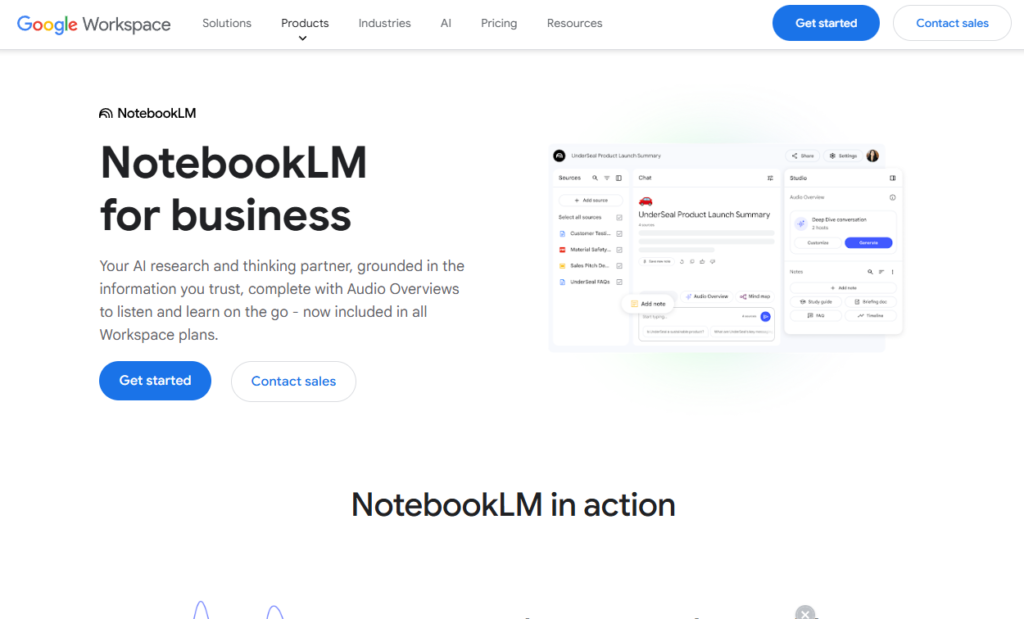
You must learn NoteBook LM